
Hip pain can make everyday activities like walking, sitting, or sleeping difficult. When medications, lifestyle changes, and physiotherapy do not fully help, total hip replacement surgery can provide long-term relief.
This guide will explain what hip replacement surgery is, how it works, and what patients can realistically expect based on personalized care and medical expertise.
What is Hip Replacement Surgery?
Hip replacement surgery involves replacing a damaged hip joint with an artificial one to relieve pain and enhance mobility. Patients with severe joint damage due to arthritis, injury, or long-term wear are often candidates for this procedure. The primary aim of the surgery is to reduce pain and restore mobility so that patients can return to their daily activities.
Orthopedic surgeons, such as Dr. Imran at Omar Hospital, conduct thorough evaluations and planning to ensure that hip replacement is only performed when it is deemed necessary and beneficial.
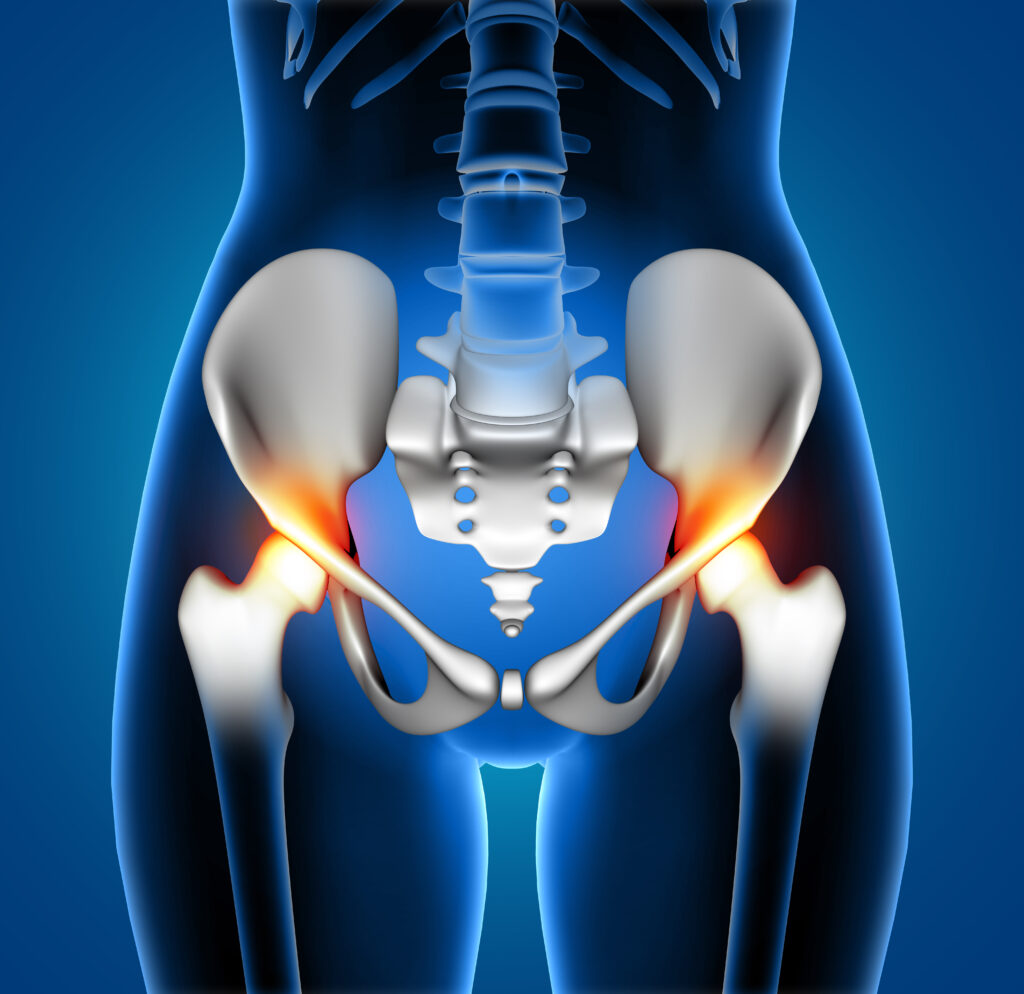
Who May Need Hip Replacement Surgery?
Hip replacement surgery may be considered when hip pain significantly interferes with daily life and non-surgical treatments have been ineffective. Consider this option if you experience:
- Persistent hip pain, even at rest
- Difficulty standing, walking, or climbing stairs
- Joint stiffness that restricts movement
- A reduced quality of life despite medication and physiotherapy
Dr. Imran carefully assesses each patient’s condition, medical history, and lifestyle before recommending hip surgery. This thorough approach ensures that the decision is sound and appropriate.
What Happens During Hip Replacement Surgery?
During hip replacement surgery, the damaged hip joint is removed and replaced with an artificial joint designed to move smoothly and reduce pain. The goal of the procedure is to restore joint stability and function over time. Modern surgical techniques and careful post-operative care help many patients regain mobility and reduce pain.
Hip Replacement Recovery Timeline – What to Expect
The recovery process after hip replacement surgery occurs in phases, and healing times can vary among patients. However, the following timeline provides a general idea of what to expect:
1. Immediate Recovery (Days 1-7):
Many patients can begin walking with assistance on the same day or the next day after surgery. Pain and swelling are managed with medication, and fundamental movements are gradually introduced.
2. Early Recovery Phase (Weeks 2-6):
Patients often reduce their strong pain medication and may start walking more comfortably indoors. Physiotherapy plays an essential role in regaining strength and flexibility.
3. Mid-Term Recovery (Months 2-4):
Most patients can resume daily activities, including household chores. With medical supervision, specific low-impact exercises may be integrated based on progress.
4. Advanced Recovery Phase (Months 3-6):
The hip joint adapts and grows stronger, allowing for increased activity levels as stability improves.
5. Full Recovery (Up to 1 Year):
Most patients achieve near-normal joint function with minimal discomfort within a year. The surgical area heals, boosting patients’ confidence in their mobility.
How Long Does It Take to Recover from Hip Replacement Surgery?
Initial recovery often begins within a few weeks, but full recovery may require several months. Many patients regain independence within 6 to 12 weeks, although complete healing and strengthening might take up to one year. Dr. Imran emphasizes the importance of following rehabilitation plans and post-operative instructions to ensure a successful and long-lasting recovery.

Factors Affecting Hip Replacement Recovery
Several factors influence recovery time and outcomes, including:
- Age and overall health
- Physical condition before surgery
- Commitment to physiotherapy
- Any coexisting medical conditions
Following a personalized recovery plan from your orthopedic surgeon helps you recover safely and confidently.
Pain, Mobility, and Daily Activities After Surgery
In the early stages of recovery, mild to moderate stiffness and pain are common. Many patients begin using a cane or walker before gradually transitioning to independent walking.
Over time, activities such as standing, sleeping, and sitting become more manageable. Specialists like Dr. Imran provide valuable guidance to help patients understand safe movement techniques and avoid unnecessary strain during the healing process.
Hospitalization and Home Recovery
In the hospital, recovery focuses on early movement and complication prevention. Patients are encouraged to continue exercising at home and follow post-operative care instructions. Attending follow-up appointments is also crucial for ongoing recovery.
This step-by-step approach supports steady recovery after surgery and ensures continuity of care.
Tips for a Safe and Smooth Hip Replacement Recovery
- Prioritize healing and mobility.
- Stay within recommended activity limits.
- Follow physiotherapy instructions closely.
- Maintain open communication with your healthcare team for any concerns.
By adhering to these guidelines and staying committed to your recovery plan, you can enhance your healing process and return to an active, pain-free life.
The Risks and Complications of Hip Replacement Surgery
While total hip replacement surgery is generally a safe procedure, it does involve some risks. Potential complications may include infection, delayed recovery, or stiffness. However, complications are uncommon when the surgery is performed with the correct technique and proper after-care. These risks can be reduced by selecting an experienced orthopedic surgeon and adhering to their medical advice.
How Successful is Hip Replacement Surgery?
Hip replacement surgery is known for its high success rate, often leading to long-term pain relief and enhanced mobility. Most patients experience an improved quality of life and can return to their everyday activities after the procedure.
When Should You Contact Your Doctor During Recovery?
Patients should reach out to their doctor if they experience:
- Increased pain or swelling
- Symptoms of infection
- Difficulty moving their legs
- Fever or any unusual discomfort
About Dr. Imran, Orthopedic Specialist at Omar Hospital
Dr. Imran is an orthopedic surgeon with a wealth of experience in providing care, including hip replacement surgery, to patients dealing with joint issues. He emphasizes accurate diagnosis, thorough surgical planning, and structured post-operative care to ensure a safe and effective recovery.
By promoting clear communication and personalized care, he aims to help patients feel confident and informed during their journey. Dr. Imran is available for consultations from Monday to Saturday, 7 PM to 10 PM. During these hours, patients can seek expert advice regarding hip replacement surgery, along with personalized evaluation and treatment plans.

Final Thoughts on Hip Replacement Surgery
When performed at the appropriate time, hip replacement surgery can significantly enhance mobility and quality of life. Being informed about the procedure and recovery can empower patients to make confident decisions. Specialists like Dr. Imran at Omar Hospital are dedicated to supporting their patients through the recovery journey, helping them return to a comfortable and active lifestyle.
FAQs
When can I go home after hip replacement surgery?
Most patients are discharged within 2 to 4 days after total hip replacement surgery, depending on recovery and overall health.
Will I need to use a walker after hip replacement surgery?
Yes, most patients use a walker or walking aid initially to ensure safety. This is usually temporary and reduces as strength improves.
When will my hip incision fully heal?
The incision typically heals within 2 to 4 weeks, though internal healing continues for several months.
How soon does physiotherapy start after hip replacement surgery?
Physiotherapy usually begins within 24 hours of total hip replacement surgery, often while the patient is still in the hospital.
What is considered normal pain after hip replacement surgery?
Mild to moderate pain, stiffness, and soreness are normal during the early weeks and gradually improve with medication and physiotherapy.
How soon can I return to normal daily activities after surgery?
Many patients resume basic daily activities within 6 to 12 weeks, while more demanding tasks may take longer.
Can hip replacement surgery be done as an outpatient procedure?
In selected cases and depending on patient health, hip replacement may be done as a short-stay procedure, but most patients require hospital monitoring.
How long does a hip replacement implant usually last?
Modern hip implants can last 15 to 20 years or longer, depending on activity level and overall joint care.
How soon after hip replacement surgery can I start driving?
Most patients can safely resume driving after 4 to 6 weeks, once pain is controlled and movement is comfortable. Always confirm with your doctor first.
Does a replaced hip feel like a natural hip?
While it may feel different initially, most patients adapt over time and experience smooth, pain-free movement in daily life.
When should I contact my doctor during recovery?
You should contact your doctor if you experience increasing pain, swelling, redness, fever, or difficulty moving the leg.