
Total hip replacement exercises play a central role in recovery after hip surgery or injury. Recovery is a gradual process that requires patience, consistency, and the right guidance. One of the most important elements of successful recovery is following total hip replacement exercises that are appropriate for each stage of healing. When done correctly, these exercises help restore movement, strengthen muscles, and support a safer return to daily activities.
Orthopedic specialists like Dr. Imran emphasize that recovery exercises should always be structured, progressive, and tailored to the patient’s condition. This guide explains how carefully planned exercises can support hip recovery and improve long-term outcomes.
Understanding the Total Hip Replacement Exercises and Recovery Process After Hip Replacement
Hip recovery involves the healing of muscles, ligaments, and joint structures following surgery or injury. In the early phase, the focus is on gentle movement and circulation. As healing progresses, exercises gradually shift toward strengthening, balance, and restoring functional mobility.
Following a structured recovery plan helps reduce stiffness, prevent muscle weakness, and lower the risk of complications. This is especially important during the total hip replacement recovery period, when the body is adapting to restored joint movement. Under medical supervision, exercises after hip surgery can improve comfort, confidence, and independence.
Why Exercises Are Essential After Hip Surgery
Exercise plays a vital role in restoring normal hip function. When patients perform the right movements at the right time, recovery becomes smoother and more consistent.
Regular hip rehabilitation exercises and guided hip mobility exercises help:
- Improve blood circulation and healing.
- Reduce pain and swelling over time.
- Restore joint flexibility.
- Strengthen surrounding muscles.
- Support safe walking and daily movement.
Consistency is important, but exercises should never cause sharp pain or discomfort. Guidance from an orthopedic surgeon or physiotherapist ensures safe progression.
Early Recovery Exercises (Days 1 to 4 Weeks)
During the early phase, exercises are gentle and focus on muscle activation and mobility. These movements are typically performed while lying down or with minimal support.
Gentle Mobility and Activation Exercises
These exercises gently activate muscles around the hip joint, improve circulation, and prevent stiffness during the early recovery phase.
- Ankle Pumps: This exercise involves slowly moving the feet up and down. It helps maintain healthy blood flow in the legs, reduces swelling, and lowers the risk of blood clots during the initial recovery period after surgery.
- Quadriceps Sets: By tightening the thigh muscles while keeping the leg straight, this exercise helps rebuild strength in the front of the thigh without putting pressure on the hip joint.
- Gluteal Sets: Gently squeezing the buttock muscles improves hip stability and supports better posture and balance as healing progresses.
- Heel Slides: This movement allows controlled bending of the hip and knee. It improves joint flexibility and helps patients regain confidence in basic leg movements.
- Supine Hip Abduction: Sliding the leg outward while lying flat strengthens the hip muscles and encourages controlled side movement, which is essential for walking safely.
These early hip recovery exercises form the foundation of post-hip replacement physiotherapy and prepare the body for more active rehabilitation as healing progresses.
Intermediate Recovery Exercises (Weeks 4 to 9)
As strength improves, patients can safely move to standing exercises that enhance balance and functional movement.
Standing Strength and Control Exercises
As recovery progresses, standing exercises help rebuild the strength, coordination, and balance needed for daily activities.
- Standing Hip Abduction: This exercise strengthens the muscles on the side of the hip, improving stability and reducing strain while walking.
- Standing Hip Extension: Moving the leg backward in a controlled manner supports better posture and helps restore a natural walking pattern.
- Standing Knee Raises: Lifting the knee gently improves hip flexibility and prepares the joint for activities such as stair climbing.
- Sit-to-Stand Exercise: Repeatedly standing up from a seated position strengthens the hips and thighs while promoting independence in everyday movements.
- Bridge Exercise: By lifting the hips while lying on the back, this exercise strengthens the hip and lower back muscles together, supporting overall stability.
These hip physiotherapy exercises and progressive exercises after hip surgery support smoother movement and improved confidence while walking.
Advanced Recovery Exercises (Weeks 9 to 14+)
Once cleared by the surgeon, advanced exercises focus on endurance, strength, and balance for long-term recovery.
Strength, Balance, and Endurance Training
Advanced exercises focus on improving endurance, balance, and overall strength once the hip has healed adequately.
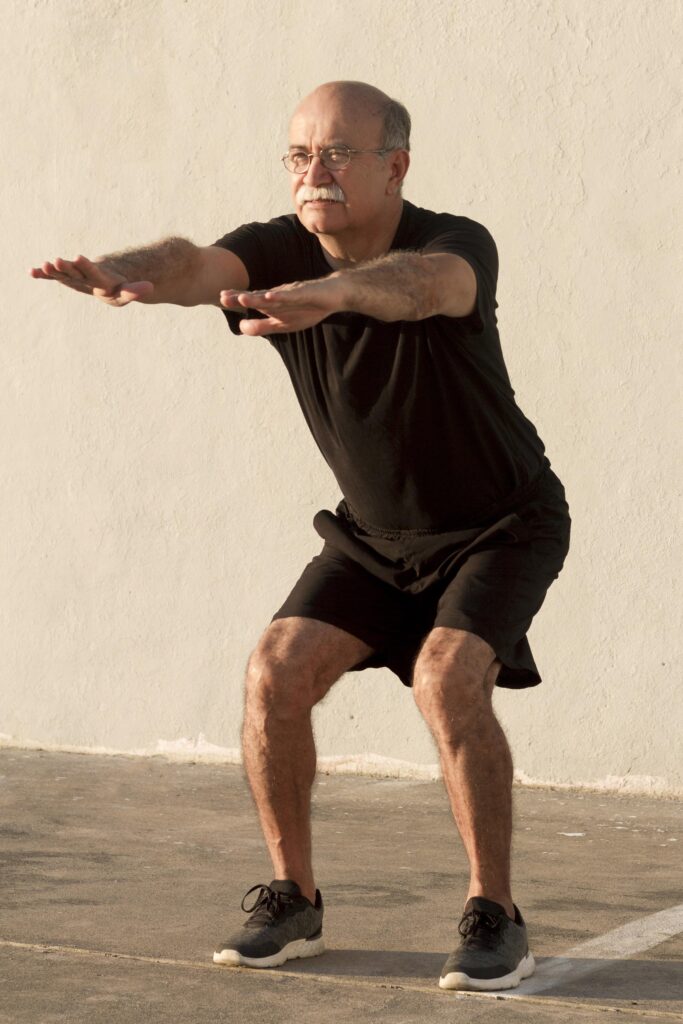
- Mini Squats: These controlled movements strengthen the hips and legs while improving joint control and balance.
- Step-Ups and Step-Downs: Practicing stepping motions prepares the hip for climbing stairs and navigating uneven surfaces.
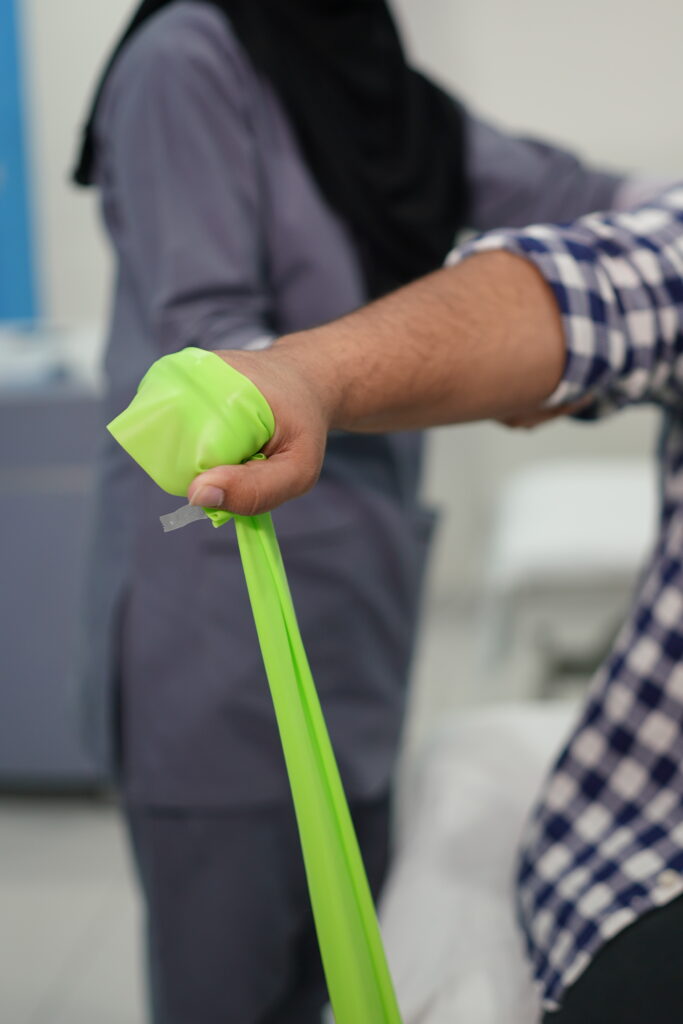
- Lateral Band Walks: This exercise targets the side hip muscles, improving stability and reducing the risk of imbalance.
- Stationary Cycling: Gentle cycling increases hip mobility and endurance without placing excessive stress on the joint.
- Walking Progression: Gradually increasing walking distance and duration helps restore normal movement patterns and cardiovascular fitness.
These advanced hip strengthening exercises support long-term stability and help patients return to normal routines safely.
Important Tips to Speed Up Hip Recovery
Alongside exercises, daily habits play an important role in supporting healing and preventing setbacks.
- Follow your surgeon’s instructions carefully: Always perform exercises as advised by your orthopedic surgeon or physiotherapist to avoid unnecessary strain on the new joint.
- Maintain consistency over intensity: Regular, controlled movements are more effective than pushing too hard, especially in the early recovery phase
- Exercising: Gentle movements help loosen muscles and prepare the hip joint for activity, reducing stiffness and discomfort.
- Listen to your body: Mild discomfort is normal, but sharp pain, swelling, or sudden weakness should not be ignored.
- Focus on posture and alignment: Proper posture during daily activities and exercises helps protect the hip joint and promotes balanced muscle recovery.
- Gradually increase activity levels: Progress slowly as strength and mobility improve, allowing the joint to adapt safely.
Safety Guidelines During Hip Recovery
While exercise is beneficial, safety remains essential. Patients should stop total hip replacement exercises and consult their doctor if they experience increased pain, swelling, or joint instability.

Proper posture, use of walking aids when needed, and regular follow-ups with an orthopaedic surgeon help keep recovery on track. Under professional supervision, post-hip replacement physiotherapy remains both safe and effective.
How Dr. Imran Supports Hip Recovery
Dr. Imran focuses on personalized recovery planning for each patient. By monitoring progress and working closely with physiotherapy teams, he ensures exercises align with healing stages and long-term mobility goals. This structured approach supports safer recovery and improved quality of life.
Conclusion
Recovery after hip surgery is a gradual journey that depends on the right balance of movement, rest, and medical guidance. Consistently following total hip replacement exercises that align with each stage of healing helps improve strength, flexibility, and confidence. When performed correctly and under medical supervision, total hip replacement exercises support safer healing, better mobility, and long-term joint health. With expert guidance and patient commitment, individuals can regain independence and enjoy an improved quality of life.
FAQs
How soon can I start exercises after hip surgery?
After hip surgery, most patients start exercises of gentle movements within the first day, under medical supervision.
What are the best exercises for early hip recovery?
Some of the best exercises for early hip recovery are ankle pumps, quadriceps sets, gluteal sets, and heel slides. These are commonly recommended.
How long does hip recovery usually take?
The timelines of hip recovery vary, but many patients see steady improvement over 3 to 4 months.
What exercises should I avoid during recovery?
You should avoid high-impact activities and sudden twisting movements unless approved by your surgeon.
How important is physiotherapy after hip surgery?
Physiotherapy plays a critical role in guiding safe exercises and improving long-term outcomes.