Recovering from a total hip replacement implant can be difficult. Still, patients can do so safely and effectively with the help of the right advice. It takes more than resting to recover. You need to combine physical therapy with proper nutrition, home prep, and listen carefully to your body.
This guide provides five expert tips to ensure a quick and efficient recovery. It will empower you to resume your daily activities confidently.
Tip 1: Commit Yourself to Gentle Exercise and Physical Therapy
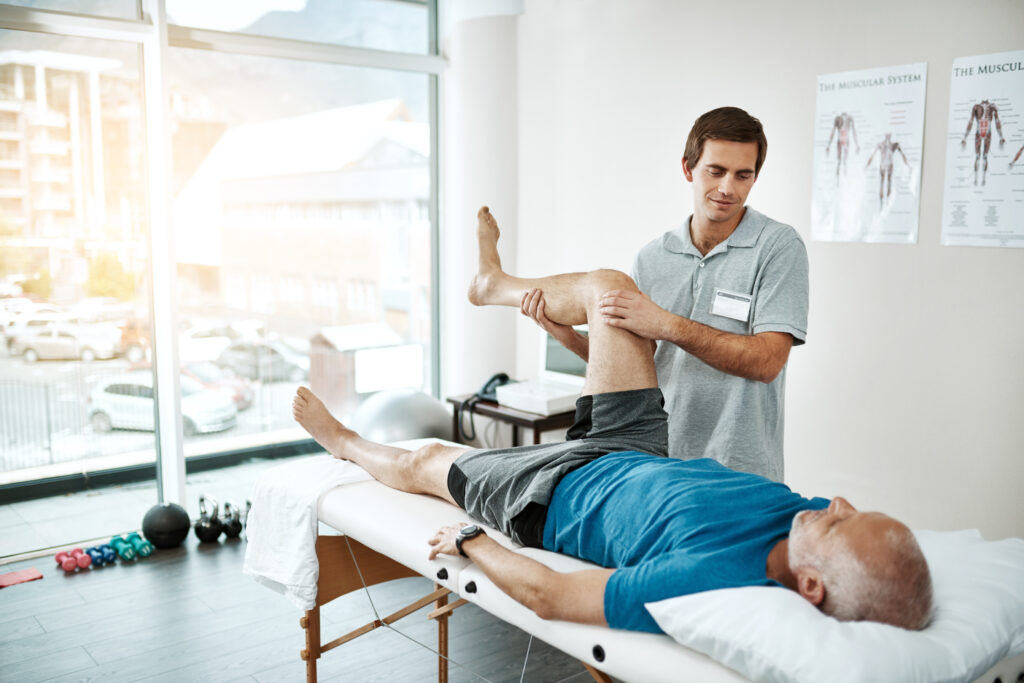
The recovery process after a hip implant is dependent on movement. Under the care of a professional physiotherapist, total hip replacement exercises will not only help strengthen your muscles, but they also promote faster healing, improve blood circulation and prevent stiffness. Start with gentle exercises, like short walks around your house, ankle pumps and seated leg lifts. Gradually increase intensity according to the advice of your healthcare provider.
Tip 2: Manage Pain and Swelling Effectively
For a quick recovery, it is essential to manage pain and swelling properly. Hence, do not miss doses of prescribed medication unless your surgeon has instructed you to. Ice packs applied to the affected area for 15-20 minutes each can reduce swelling and pain. Elevating the leg while sitting can also help improve circulation and reduce swelling.
Tip 3: Prepare your Home and Body For Recovery
Consider making changes to your home before knee replacement surgery. For example, remove loose rugs and install non-slip mats. You can also add handrails at key locations like the stairs or bathroom. Adaptations to your daily routine, such as elevated chairs, raised seats on toilets, or adaptive tools for dressing and reaching, can help make it safer.
Tip 4: Focus on Nutrition and Hydration
You need to provide your body with the proper nutrition for it to heal quickly after a total hip replacement. A diet high in protein helps to rebuild muscle tissue. Calcium, vitamin D and vitamin C are essential for joint and bone healing. It is also important to stay hydrated, as fluid intake helps reduce swelling and promotes overall recovery. Anti-inflammatory foods such as vegetables, fruits and fish rich in omega-3 can help reduce inflammation after surgery.

Tip 5: Listen to Your Body and Prioritise Rest
Understanding your body’s signals and being patient is key to recovery. Rest periods are essential to avoid fatigue and promote tissue healing. Another important factor is sleep. Lying on your back, or your non-operated side, with a pillow in between your legs will protect your hip while ensuring comfort. Stress management and mental rest can also influence your perception of pain and well-being. Resting and balancing light activity will allow your body to recover fully, which in turn will ensure long-term mobility.
Recovery After Hip Replacement Surgery: What to expect
Understanding the recovery process after hip replacement will help you set realistic expectations and follow the correct steps at the appropriate time. The recovery process is divided into phases that focus on mobility, safety, and strength.
Days 1-3: Immediate post-Surgery
It is essential to move gently in the first few days. This will help prevent stiffness and improve circulation. Patients start with simple ankle and leg movements, sitting up on the bed and taking short, assisted walks. Prescribed medications, icepacks, and leg elevation are used to manage pain and swelling. To detect complications, it is essential to monitor for unusual symptoms such as excessive swelling, fever, and redness.
Weeks 1 to 6: Recovery and Mobility
During this time, patients will gradually gain mobility by walking and performing basic hip replacement exercises. Physiotherapy helps improve flexibility and strengthen muscles. Using mobility aids, safety in the bathroom, and elevated chairs to adapt to daily activities will provide independence while protecting your new hip.
Weeks 6-12 – Regaining strength and resuming light activities
The majority of patients report improved mobility and comfort. Exercises are more challenging to rebuild balance and strength. Light hobbies such as gentle walking, swimming or household chores can be resumed. The pain and swelling will decrease over time, which allows you to resume your daily activities while still maintaining hip precautions.
Months 3 to 6: Independence and low-impact activities
In general, between three and six months, low-impact exercises such as walking, swimming and light cycling can be performed safely. As the hip joint becomes stronger, it also becomes more stable. Hip pain can often be relieved, allowing patients to resume their hobbies and social activities.
From Months 6 to 12: Full Functional Recover
Patients usually reach full recovery in six to twelve months. After medical clearance, patients can gradually resume high-level activities such as longer walks, moderate hikes, and their favourite hobbies. The recovery time depends on the age, health and type of surgery. However, this is when patients begin to feel comfortable with their new hip. For long-term joint stability, it is important to continue exercising and take precautions.
Safety Guidelines and Precautions
Follow these safety guidelines to prevent complications and promote safe healing following surgery.
- Follow all instructions given by your healthcare provider to prevent infection.
- To prevent blood clots, perform ankle pump exercises regularly and wear compression stockings according to the instructions. Also, take prescribed blood-thinning medication to maintain healthy circulation.
- Follow Hip Movements Precautions. Avoid deep bending or sudden twisting. Also, avoid low sitting positions.
- Monitor symptoms closely: If you notice unusual pain, swelling, redness or warmth, fever, or drainage at the surgical site, contact your doctor right away to ensure prompt medical intervention.
Final Thoughts
When approached with care, a total hip replacement can improve mobility and the quality of your life dramatically. Follow these five tips to ensure a smooth and safe recovery. These include committing to physiotherapy and managing swelling and pain, preparing your house, listening to your body, and focusing on nutrition. To return to an active and pain-free life, you need to be consistent, patient, and follow the professional advice of your orthopedic surgeon.
For patients seeking expert supervision and personalized guidance, Dr. Imran provides comprehensive orthopedic care in Lahore, ensuring each recovery plan is tailored for safety, efficiency, and long-term mobility.