
Minimally invasive spine surgery (MISS) is an advanced form of spine surgery designed to treat specific spinal conditions using smaller incisions and precise techniques. Compared to traditional open spine surgery, this advanced surgery aims to minimise tissue damage, post-operative pain, and recovery time. While it has clear advantages, this method is not suitable for every spinal condition. Determining if less invasive spine surgery is the best option for you depends on an accurate diagnosis, your overall health, and the specific nature of your spinal issue.
What Is Minimally Invasive Spine Surgery?
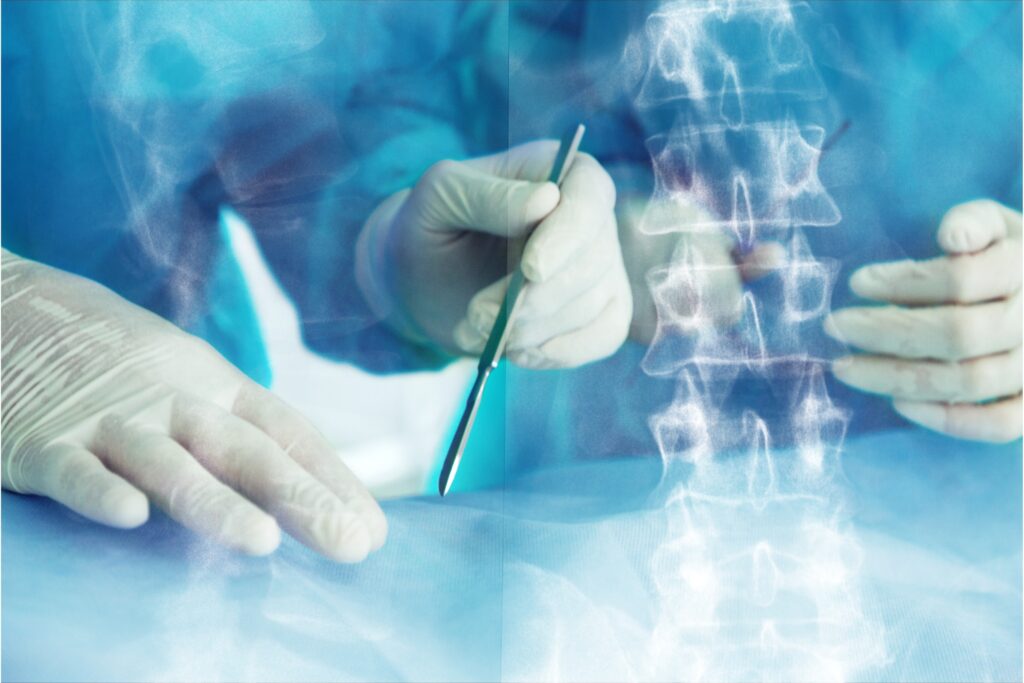
Minimally invasive spine procedure involves accessing the spine through small incisions using specialised instruments, including tubular retractors, microscopes, or imaging guidance. Instead of cutting through large muscle areas, tissues are gently moved aside to reach the affected region. The primary goal is to treat the spinal condition effectively while preserving muscles, minimising blood loss, and promoting faster recovery.
What Conditions Can Minimally Invasive Spine Procedures Treat?
This less invasive approach to spine surgery in Pakistan is commonly used for a range of well-defined spinal conditions, including:
- Herniated or slipped discs
- Spinal stenosis (narrowing of the spinal canal)
- Degenerative disc disease
- Certain spinal fractures
- Nerve compression causing pain, numbness, or weakness
- Selected cases of spinal instability
The success of this advanced invasive surgery largely depends on whether the condition can be safely addressed without extensive exposure of the spine.
Different Types of Minimally Invasive Spinal Surgery
Several minimally invasive techniques may be employed based on your specific diagnosis and anatomy, such as:
- Microdiscectomy: to remove herniated disc material
- Minimally invasive laminectomy: to relieve pressure on nerves
- Minimally invasive spinal fusion: for stability
- Percutaneous fixation: for fractures
- Endoscopic spine surgery: for specific cases
Each technique is selected to maximise safety and surgical accuracy while maintaining a strong spine surgery success rate.
Are You A Suitable Candidate for Minimally Invasive Spinal Surgery?
You may be considered a suitable candidate for the advanced spine surgery if:
- Conservative treatments have failed: Physiotherapy, medications, or injections no longer relieve symptoms
- There is an accurate diagnosis: MRI or CT scans clearly identify the issue
- You are in good general health
- The spinal problem is localised
- You are motivated for recovery
Careful patient selection is crucial to guarantee is spine surgery safe for the individual patient.
Who Should Avoid Minimally Invasive Spinal Surgery
Less invasive spine surgery may not be appropriate for individuals with:
- Severe spinal instability
- Complex spinal deformities
- Advanced scoliosis or kyphosis
- Extensive multi-level disease
- Poor bone quality or uncontrolled medical conditions
In these cases, traditional spine surgery or non-surgical management may be safer and more effective.
Benefits of Minimally Invasive Spine Surgery
When appropriately indicated, this minimally invasive spine surgery offers numerous benefits, including:
- Less post-operative pain
- Smaller incisions and minimal scarring
- Reduced blood loss
- Faster recovery and earlier mobility
- Shorter hospital stays
These benefits are especially notable when an experienced specialist performs surgery.
What Are the Downsides of Modern Minimally Invasive Spine Techniques?
Despite its benefits, this surgery has limitations:
- It is not suitable for all spinal conditions
- It requires specialised training and equipment
- There is limited exposure in complex cases
- It may not adequately address severe deformities
Understanding both advantages and possible side effects of spine surgery helps set realistic expectations.
Risks and Potential Complications to Consider
Although generally safe, less invasive spine surgery carries potential risks, including:
- Infection
- Bleeding
- Nerve injury
- Persistent symptoms
- Need for additional surgery in rare cases
Thorough pre-operative planning significantly reduces these risks and supports overall safety.
How Should You Prepare for Advanced Spine Surgery Technique?
Preparation typically involves:
- Detailed clinical evaluation
- Review of imaging studies
- Discussion of medications and lifestyle factors
- Planning for post-operative rehabilitation
This preparation phase helps patients better understand how safe is spine surgery for their specific condition.
What Happens During a Smaller-Incision Spine Surgery?
During the surgery:
- Small incisions are made
- Muscles are gently separated using tubular systems
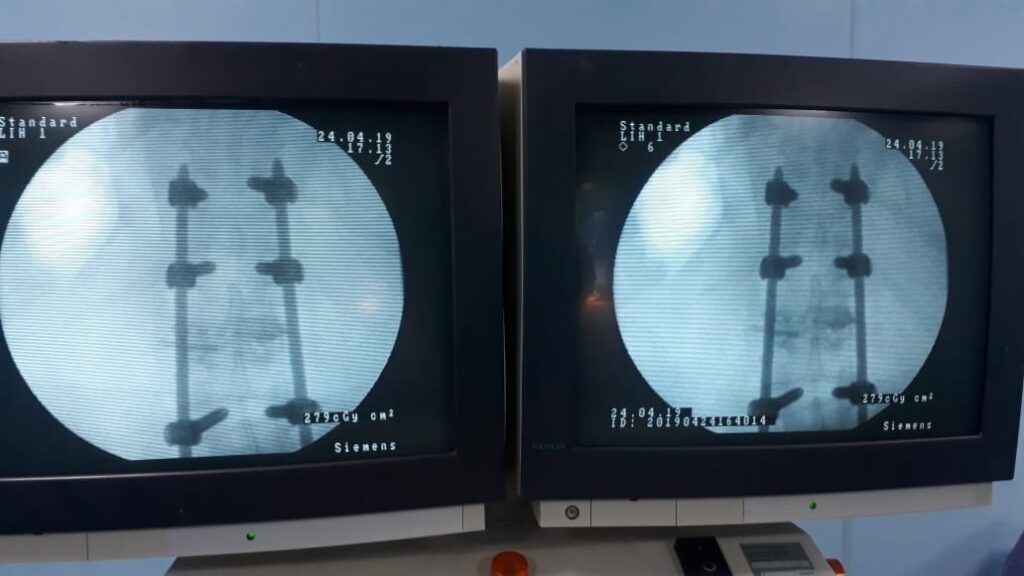
- Imaging guidance assists in targeting the problem area
- The spinal condition is addressed with precision
Surgical time may vary depending on the specific procedure and its complexity.
Do Surgeons Use Robotics or Advanced Technology?
Some minimally invasive spine surgeries use computer navigation, fluoroscopy, or robotic assistance. These technologies improve accuracy, protect surrounding nerves, and improve outcomes, especially in specialised centres offering spine surgery in Lahore.
What Happens After the Surgery?
Following surgery, most patients experience:
- Early mobilisation
- Reduced pain compared to open surgery
- Short hospital stays
- Gradual return to daily activities
Post-operative care and physiotherapy are essential components of successful recovery.
What Is the Recovery Time for Less Invasive Spine Surgery?
Recovery time varies based on the procedure performed:
- Simple procedures: a few weeks
- Stabilisation or fusion procedures: longer recovery may be expected
Recovery also depends on compliance with medical advice.
What Is the Success Rate of Modern Minimally Invasive Spinal Surgery?
The spine surgery success rate for minimally invasive procedures is generally high when patients are carefully evaluated. Success is measured by pain relief, improved mobility, and better quality of life rather than complete elimination of discomfort.
When Is Minimally Invasive Spine Surgery Not the Answer?
This less invasive spinal surgery may not be recommended when:
- Symptoms are mild or improving
- Non-surgical treatments remain effective
- The condition requires extensive correction
Surgery should always be considered carefully and individually.
How to Decide If Minimally Invasive Spine Surgery Is Right for You
Before deciding on less invasive surgery, patients should:
- Consult a spine specialist
- Review imaging results in detail
- Discuss overall health and medical history
- Set realistic expectations for recovery and outcomes
Shared decision-making leads to better results.
Consulting a Spine Specialist in Lahore
Choosing the right surgeon is critical when considering spine surgery in Pakistan. An experienced specialist evaluates diagnosis, imaging, and overall health before recommending any surgical approach.
Dr Imran follows a careful, evidence-based approach to spine care. As an expert bone surgeon in Lahore and an orthopaedic surgeon in Lahore with spine surgery experience, he assesses whether minimally invasive techniques are appropriate and explains both surgical and non-surgical options clearly.
Final Thoughts
Minimally invasive spine surgery can be a safe and effective option for selected spinal conditions. The best outcomes occur when the procedure is matched to the right patient, diagnosis, and surgical expertise.
Not every spine condition requires surgery, and not every patient is suitable for minimally invasive techniques. Consulting with Dr Imran allows you to understand your diagnosis, explore appropriate treatment options, and make an informed decision based on evidence and experience.